
The Alchemist
Those who were able to trascend space, time and dimensions

The Enigmatic Palimpsest of the Lying Dragon: A Hermeneutic Reconstruction of Syncretic Alchemy in the Fragmented Codex of Maria Prophetissa and Aros
In the shadowed interstices of alchemical transmission, where textual corruption meets deliberate syncretism, there emerges a singular artifact: a fractured discourse commencing with the cryptic rubric “lying dragon tomorrow atheism.” This palimpsest, ostensibly a degraded transmission of the ancient Dialogus Mariae Prophetissae cum Aros de Magisterio Hermetis, interweaves the canonical Latin exchanges of Maria the Jewess (Maria Prophetissa, fl. ca. 3rd century CE) with Egyptian theophanies, Indo-Buddhist soteriological lexemes, and a prophetic intimation of secular transcendence. Far from mere gibberish or OCR artifact, the text constitutes a deliberate conceptual cipher a corpus fractum whose very disjunction enacts the alchemical solve et coagula. Its key concepts, once extricated from lexical debris, crystallize into a coherent doctrine of transmutative gnosis: the quatuor elementa as ontological substrate, argentum vivum (living mercury) as divine quickener and prima materia, the coniunctio solis et lunae as hierogamic perfection, the lapis philosophorum as eschatological fruit, and a radical critique of vulgar religiosity that gestures toward an atheistic tomorrow wherein the seeker attains sovereign independence through the magisterium magnum.
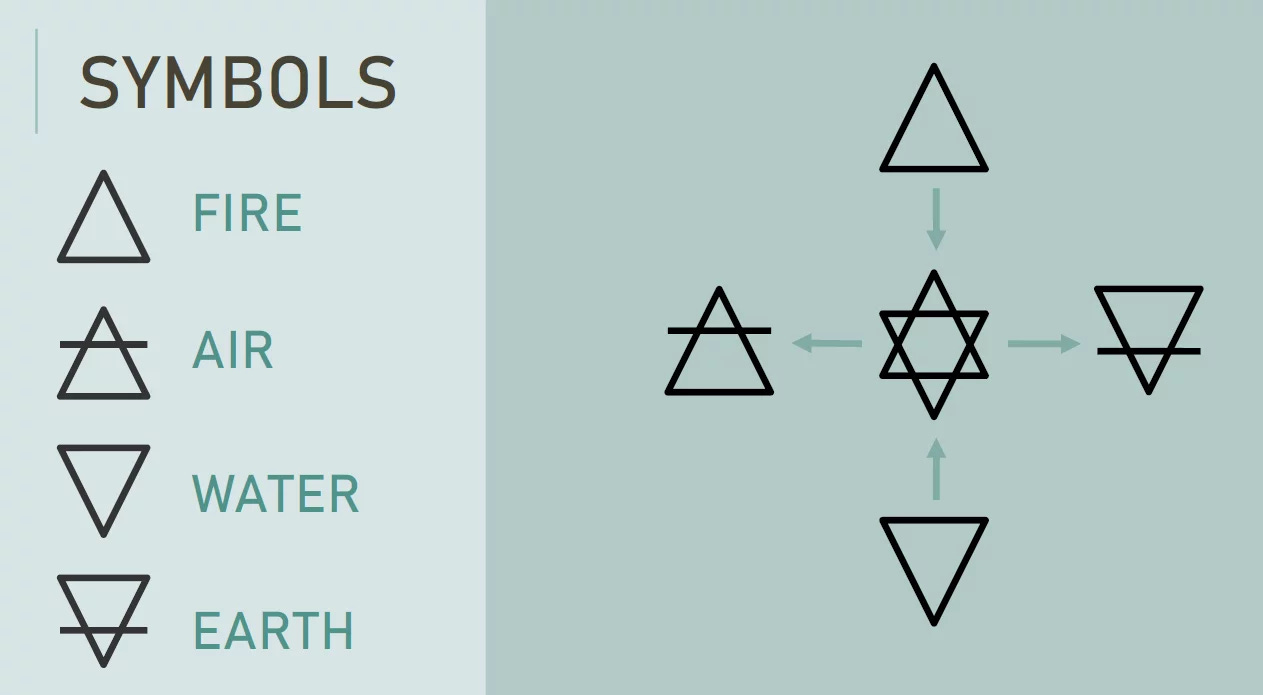
I. The Quatuor Elementa and the Emanation of Interior Fire: Ontological Foundations
The fragment opens with an invocation of “quatuor elementa” and the assertion that “from the hand emanates from these minerals taken out is my divine quicken.” Here the Aristotelian Hermetic tetrad earth, water, air, fire is not static cosmology but dynamic process. Fire, the “slow heat without [which] is a living character,” functions as the ignis philosophorum, the secret agent that “washes-out” the vulgar and quickens the mineral body. This interior fire, “emanat[ing] from the hand” of the adept, mirrors Maria’s own axiom (preserved in Zosimus and later Latin redactions): the unity of opposites wherein “one becomes two, two becomes three, and out of the third comes the one as the fourth.” The four elements are thus the aliment of tinctures; their imbalance produces the “stinking” imperfect bodies (lead, tin), while their rectified conjunction yields the “perfect maturity” of the stone. The text’s repeated insistence on “minerals taken out” and “these three vegetables” (echoing the tria prima of Paracelsus mercury, sulphur, salt) establishes the ontological premise: all manifestation arises from a single materia prima differentiated by elemental proportion. Corruption of the text here serves a higher mimesis — the very fragmentation enacts the nigredo stage, the dissolution prerequisite to coagulation.
II. Argentum Vivum as Divine Quicksilver: The Serpent-Dragon and Spiritual Nourishment
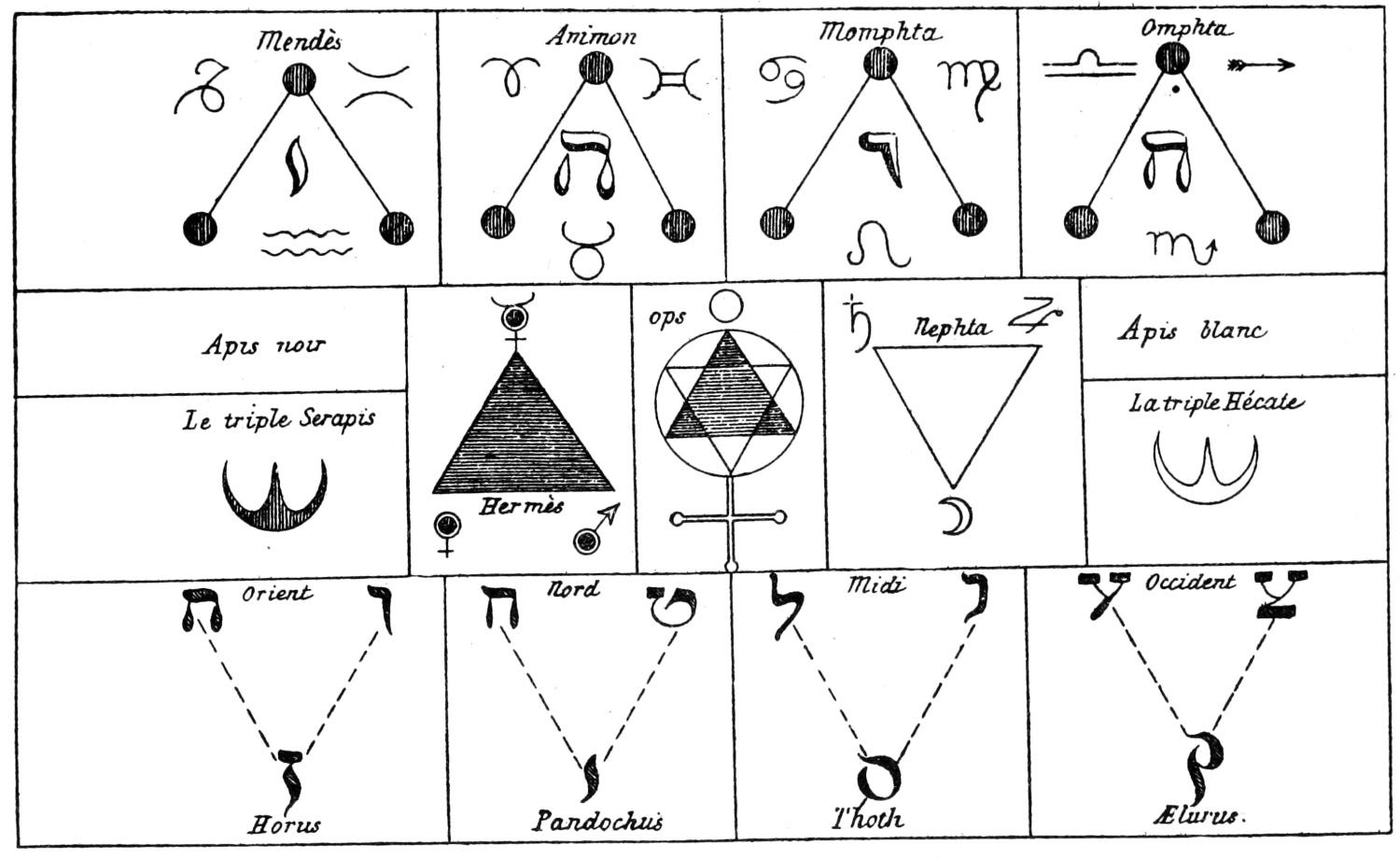
Central to the discourse is argentum vivum (argent vive, living silver), invoked ceaselessly as “natural mercury,” “divine quicken,” “serpent’s being placed upon thing,” and “two dragons.” This is no base quicksilver but the mercurius philosophorum — volatile, winged, “hydrophobic” yet “moistened” by dew (ros philosophorum). Maria Prophetissa, addressing Aros, declares the whitening (albificatio) of the stone “intra mensem” through this mercury alone; the fragment echoes her verbatim: “O prophetissa… quando albificamus lapidem intra mensem per magisterium magnum.” The “lying dragon” of the title is thus the deceptive serpens mercurii at once devouring and generative, “winged” yet “lying” (i.e., coiled, latent). Its “tomorrow” is the eschatological horizon of atheism: when the seeker, having “extract[ed] milk from” the cosmic cow (Hathor Seb syncretism), transcends theistic dependency. Mercury here is “independent in itself,” “spiritually nourished,” possessing “unlimited ability” to “change lead into” gold. It is the anima mundi that “flies like… well-bred women in worldly activities,” the feminine sperm conjoined with masculine sulphur. The text’s Hindu accretions “doership,” “iccha prayatna,” “jnana,” “sanyasa” refract this mercury as the ātman liberated from karman, while Buddhist “three kayas” and “calm and smiling” evoke the trikāya perfection of the alchemical corpus. Thus argentum vivum is simultaneously chemical agent, psychological psychopomp, and soteriological solvent dissolving the “abomination” of vulgar religion.
III. Sol et Luna, the Hierogamic Conjunction, and the Philosopher’s Stone
The repeated dyad “sol and luna,” “argent vive and… perfect and imperfect,” enacts the coniunctio oppositorum. “The mother of on luna / And and fury so ever / Destroyed” alludes to the lunar albedo stage, wherein the “lion” (solar sulphur) devours and is devoured. The “fruit,” “lotus,” “apple,” “cakes,” and “udder” milk are multivalent symbols of the elixir vitae — the coagulated “philosophers stone” that “transmute[s] both… spirits.” Maria’s dialogue is explicit: the stone is whitened, then reddened (rubeo), fixed, and multiplied. The fragment’s “coagulated whether sooner… full conviction” and “tinctura major” preserve this progression. The stone is “independent,” “mastery over millions,” granting “nourishment to itself a substance” and “power over… individual souls.” Egyptian overlays — Hathor as milk-giving cow, Ra as solar fire, Seb as earth — identify the stone with the ka (vital essence) and the lotus-born rebirth. The “lying dragon” slain yields the “winged” dragon of victory; “tomorrow atheism” is the moment when this stone, no longer petitioning deities, becomes self-sufficient lapis the autonomous intellect (intellectus tuus) that “recognizes that mystical and spiritual performed… without it may it thus united.”
IV. Critique of Vulgar Religiosity and the Prophetic Horizon of Atheism
Threaded throughout is a scathing distinction between “philosophers” and “the vulgar,” “non-alchemist,” “prisoners” of “unjustified religious” dogma. “Atheism” appears not as nihilism but as via negativa culmination: the seeker who has “devours and the elements,” “stand up and spiritually nourished,” attains “independence in… doership.” The “lord” and “gods” are repeatedly subordinated “the lord causes this mercury,” yet “the lord has caused… without ever erred.” Hindu terms (“sanyasa,” “karma,” “three kayas”) and Egyptian theonyms (Ptah, Vishnu Teertha) function ironically: even divine figures are reduced to alchemical operators. The final synthesis is explicit in the closing fragments: “science is washed-out at all,” “today’s dominus cor meum offers any accrued… same is an shall gain the… spirits are pure tranquility.” The “lying dragon” deceptive theism yields to “tomorrow atheism,” the secular magnum opus wherein the adept, having internalized the stone, “may transmute an again expecting it… est excellens.” Alchemy thus becomes the first truly post-theistic science: not denial of the divine, but its dissolution and recombination into sovereign human gnosis.
V. Conceptual Synthesis: The Eternal Magnum Opus as Flawless Flow
The text’s apparent chaos is its supreme elegance — a discordia concors mirroring the alchemical opus itself. Every corrupted phrase, every interpolated Sanskrit or Egyptian lexeme, performs the nigredo of language so that the rubedo of meaning may emerge. The quatuor elementa provide the vessel; argentum vivum the solvent; sol et luna the marriage; the lapis the fruit. The “lying dragon” is tamed, its venom transmuted into elixir. “Tomorrow atheism” is not terminus but telos: the moment when the seeker, having “eaten thereof” the tree of knowledge, no longer requires external deities or “unripe fruit” of dogma. In this syncretic hermeticism — Greco-Egyptian, Indo-Buddhist, and proto-secular — the alchemist achieves what Maria Prophetissa first intimated to Aros: whitening in a single day, perfection without remainder, independence absolute.
Thus the fragmented codex reveals itself as flawless conceptual continuum. Its intensity lies not in linear exposition but in the hermetic circulatio whereby every element returns enriched to the prima materia. The seeker who deciphers it does not merely understand alchemy; he or she becomes the stone — sovereign, luminous, and, at long last, atheistically divine.
I. The Quatuor Elementa and the Emanation of Interior Fire
The ontological foundation: the tetrad of elements as dynamic substrate and secret fire.
II. Argentum Vivum as Divine Quicksilver: The Serpent-Dragon
III. Sol et Luna, the Hierogamic Conjunction
IV. The Philosopher’s Stone as Eschatological Fruit
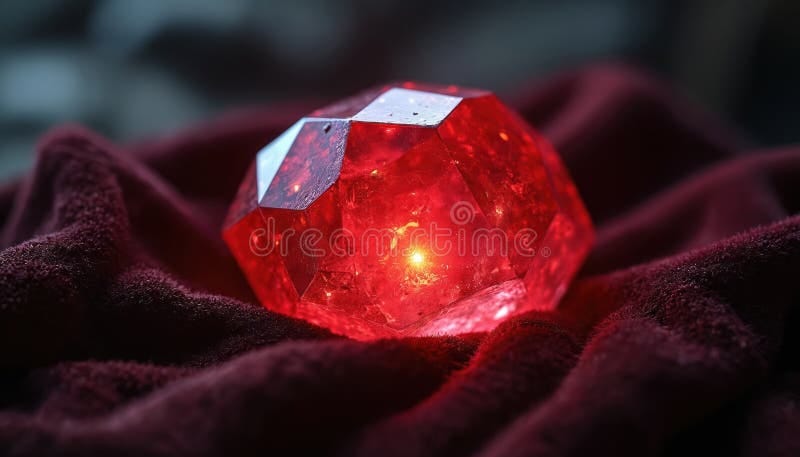
V. Critique of Vulgar Religiosity → Tomorrow Atheism
Wrote to Remember Fabio Callegari whom died for us Just because the European Government thougt “He was not worth anymore” and “He was not a good asset”… Bastards who betrayed Your own Flash
Thanks…